
Gabriel L. Manor
Best Practices to Implement Role-Based Access Control (RBAC) for Developers
Explore the process of implementing Role-Based Access Control (RBAC) in applications with policy as code, enhancing security and scalability.
Read more


Full-Stack Software Technical Leader | Security, JavaScript, DevRel, OPA | Writer and Public Speaker

Gabriel L. Manor
Explore the process of implementing Role-Based Access Control (RBAC) in applications with policy as code, enhancing security and scalability.
Gabriel L. Manor
Explore best practices for authentication and authorization in API with clear, practical examples. Including a differentiation guide, and helpful code tips.
Gabriel L. Manor
Explore comprehensive strategies for API Security in our guide, focusing on best practices in authentication, authorization, and safeguarding applications.
Gabriel L. Manor
Explore the essential guide to OAuth Tokens. Learn about Access Tokens and Refresh Tokens for secure user authentication and authorization.
Gabriel L. Manor
Explore JWT and OAuth distinct roles in web app security, how they work together, and their importance in modern web development.
Gabriel L. Manor
Top 5 trends in access control for 2024: passkey authentication, fine-grained authorization, policy as code, and more. Get ready to secure your application.
Gabriel L. Manor
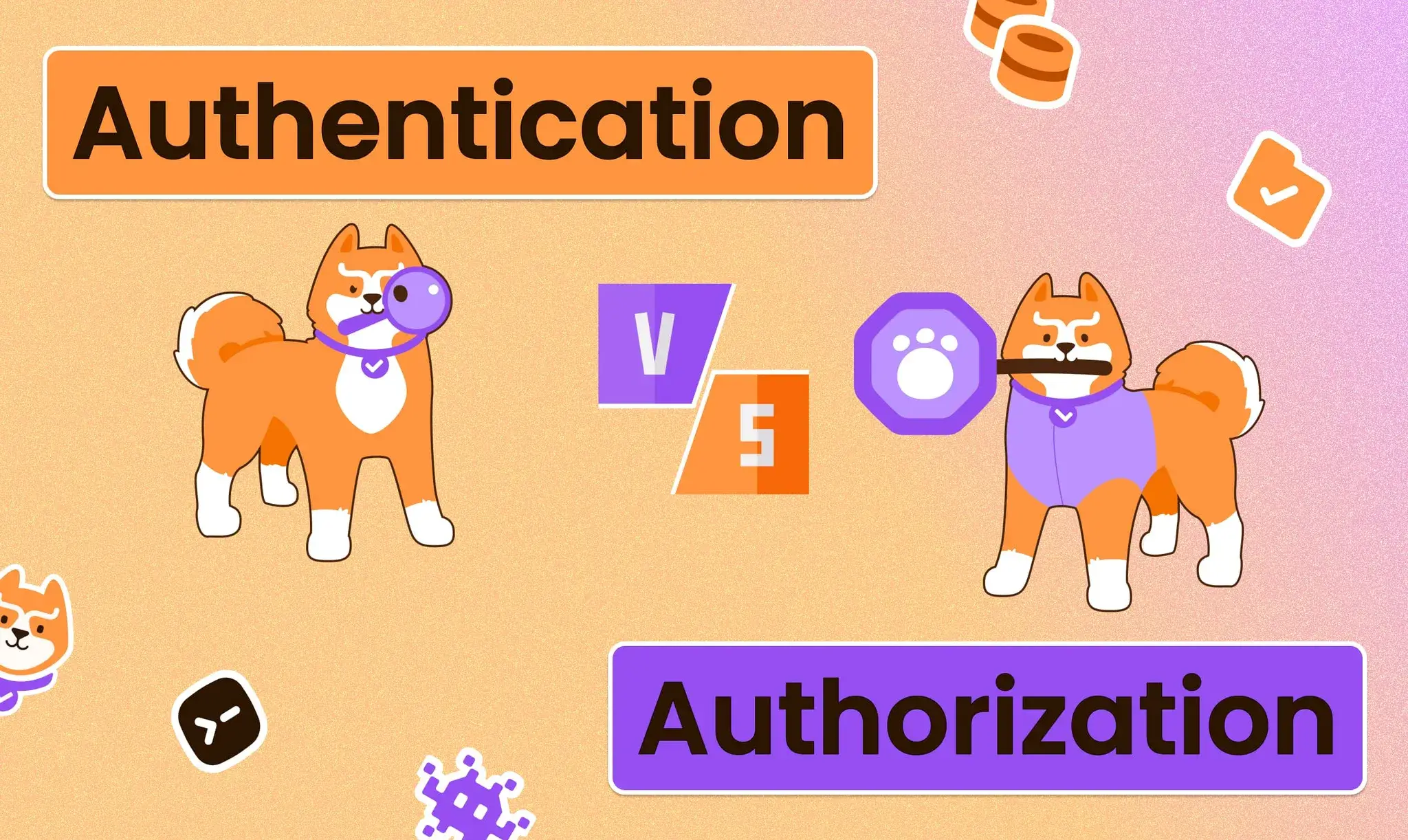
Everything you need to know on the principles of authentication and authorization in applications. Including a comparison table and real-world use cases.
Gabriel L. Manor
Learn best practices for implementing ABAC (Attribute-Based Access Control) in application authorization, including real-world use cases and code examples.
Gabriel L. Manor
Attribute-Based Access Control (ABAC) is an authorization model that grants access based on user, resource, action, and environmental attributes. Learn what ABAC is, how it differs from RBAC, and how to implement it.

Gabriel L. Manor
Discover top open-source auth projects enhancing application security, including Hanko, Supabase, and OPAL, for robust authentication and authorization.

Gabriel L. Manor
Learn how to use passkeys and fine-grained authorization for better access control in cloud applications, including an example project and a detailed tutorial.

Gabriel L. Manor
401 means the server does not know who you are. 403 means it knows exactly who you are and will not let you in. Here is what that looks like in code and when to return each.